
Description
Wachstum, meaning “Growth” or “Cru,” is a nursery for Toni Bodenstein who planted 110 different clones of Grüner Veltliner in an abandoned terrace at the top of Achleiten. When initially planted in 1997, the goal of Wachstum Bodenstein was to preserve biodiversity. It is now one of Prager’s most sought-after wines.
Prager’s stylistic signature is that of aromatic complexity coupled with power and tension. Highdensity planting and long hang times ensure ripe fruit flavors and concentration, yet allowing leaves to shade the fruit lend vibrant aromatics of grasses, herbs, and wildflowers. Minerality is a constant feature of any Prager wine.
With minimum alcohol of 12.5%, Grüner Veltliner Smaragd is a robust and full-bodied dry white wine. Its intensity of flavor and ripeness of fruit make it ideal with high-integrity ingredients such as seared white fish or sautéed spring vegetables. Grüner Veltliner is a classic accompaniment to Wiener Schnitzel. – Prager
I like the Asian pear and five spice exotic elements here, along with pomelo rind and papaya fruit. White flowers. While youthful this has such aromatic complexity. Full-bodied, textured and coating yet so light-footed, elegant and sleek-feeling. Sustainable. Drink or hold. 96 points. Stuart Pigott, JamesSuckling.com Oct 2023
| Type | White Wine |
|---|---|
| Varietal(s) | Gruner Veltliner |
| Country | Austria |
| Region | Wachau |
| Brand | Prager |
| Vintage | 2022 |
About Austrian Wine
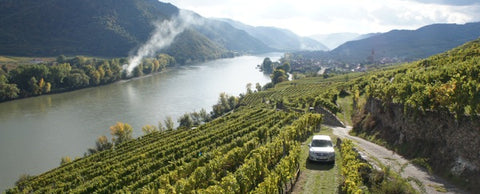
Austria is a country with over 4000 years of wine making history, however, it unfortunately doesn’t seem to enjoy the status and popularity that the high quality of it’s wines deserve. Decades later, the country is still feeling the effects of a scandal in 1985 that destroyed its credibility at the time.
Grüner Veltliner is the most important wine made in Austria, distinguished by its lightly fruity, noticeable spice and characteristic white pepper notes. This variety comprises roughly a third of all plantings. In terms of volume, Riesling plays a much smaller role than in Germany, but is responsible for some of the most appreciated dry white wines made in the country.
In red varietals, Austrian native varieties are dominant and include the tart and peppery Zweigelt, spicy and dense Blaufränkisch and juicy Saint Laurent.
Reviews
There are no reviews yet.