
Description
This wine derives from a vineyard on the “Loiserberg” wherein one also finds the site “Berg Vogelsang”. The difference is that the Grüner Veltliner from “Loiserberg” grows on a south to southeast facing slope, which is less exposed to the winds. The soil stems from primary rock geologically defined as zoisite-amphibolite, which is decomposing granite consisting of gneiss, mica-schist, and some clay and loess.
Harvested on Oct 20-21, 2022. Harvest yield was 4,000 litres per hectare. The wine was fermented at a moderate 15-20 degrees Celsius before being racked into large wooden casks for further maturing.
Apple, fresh pears and hay flowers, rich and solid, though still somewhat reduced but truly pithy, some ome fruit in the “umami” mid palate, well balanced by vibrant acidity, promising. – Andreas Wickhoff MW, Bründlmayer
Medium yellow green, silver reflections. Fine meadow herbs, ripe apple fruit, a bit of savouriness, white stone fruit, in the background some bergamot. Juicy, taut, delicate spice, peach notes in the finish, salty aftertaste, fresh finish. Good food wine with certain ageing potential, very versatile. 93 points. Peter Moser, Falstaff Nov 2023
| Type | White Wine |
|---|---|
| Varietal(s) | Gruner Veltliner |
| Country | Austria |
| Region | Kamptal |
| Brand | Weingut Brundlmayer |
| Vintage | 2022 |
About Austrian Wine
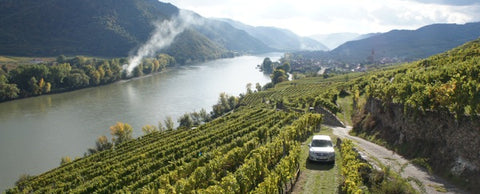
Austria is a country with over 4000 years of wine making history, however, it unfortunately doesn’t seem to enjoy the status and popularity that the high quality of it’s wines deserve. Decades later, the country is still feeling the effects of a scandal in 1985 that destroyed its credibility at the time.
Grüner Veltliner is the most important wine made in Austria, distinguished by its lightly fruity, noticeable spice and characteristic white pepper notes. This variety comprises roughly a third of all plantings. In terms of volume, Riesling plays a much smaller role than in Germany, but is responsible for some of the most appreciated dry white wines made in the country.
In red varietals, Austrian native varieties are dominant and include the tart and peppery Zweigelt, spicy and dense Blaufränkisch and juicy Saint Laurent.
Reviews
There are no reviews yet.